
Contemplating the Horizon: Evolving Dynamics in the Solar Shading Industry


The market for architectural solar shading is characterized by steady evolution rather than disruptive revolution. While proven product lines like the L1-505 to L1-509 series continue to meet core demands for performance and reliability, the industry's trajectory is influenced by a confluence of external factors whose ultimate impact and adoption rates remain uncertain.
The Maturing Conversation on Sustainability and Value
The definition of environmental responsibility is expanding to encompass a product's entire lifecycle.
Longevity as a Core Sustainable Attribute: There is a growing analytical shift towards evaluating the total cost and impact of a product over its usable life. A durable 30% polyester 70% PVC window fabric engineered for a 12-15 year service life presents a compelling sustainability argument based on resource efficiency and reduced replacement frequency. This longevity is increasingly valued alongside, or sometimes above, specific recycled content metrics.
Systemic End-of-Life Realities: The industry acknowledges the complex challenge of recycling composite materials at scale. Progress may depend less on a single material science breakthrough and more on the slower, collaborative development of economically viable collection, sorting, and processing infrastructures—a challenge extending beyond individual manufacturers.
The Integration with Building Systems: A Quest for Tangible Value
The push for "smart" buildings creates pressure for integration, but it must demonstrably improve outcomes.
From Simple Automation to Performance Data: The future may see shading systems playing a role as passive data nodes. Information on solar irradiance or space occupancy patterns could feed into building management systems for optimized HVAC response. However, the primary mandate remains flawless, silent, and reliable mechanical operation over decades. Any added intelligence must be exceptionally robust and justify its cost through quantifiable energy savings or operational efficiencies.
The Customization Imperative: A significant market force is the demand for aesthetic personalization. This may drive innovation in application technologies, such as advanced digital printing on performance substrates, allowing architects to specify custom designs while retaining the proven solar and thermal properties of a base fabric. This pathway responds to a powerful desire for unique brand and design expression.
Regulatory and Market Forces as Key Drivers
External pressures often dictate the pace and direction of change more than internal R&D.
Performance Standards and Building Codes: Evolving energy codes (like IECC, Part L) and wellness standards (like WELL) are increasingly formalizing requirements for glare control and daylight management. This regulatory push amplifies the importance of reliably tested products with certified performance data, such as the specified 5% openness factor.
Regional Adaptation: Future development may involve products with enhanced certifications for specific climatic challenges (e.g., extreme humidity, salt spray, or thermal cycling), catering to the precise durability demands of different global markets.
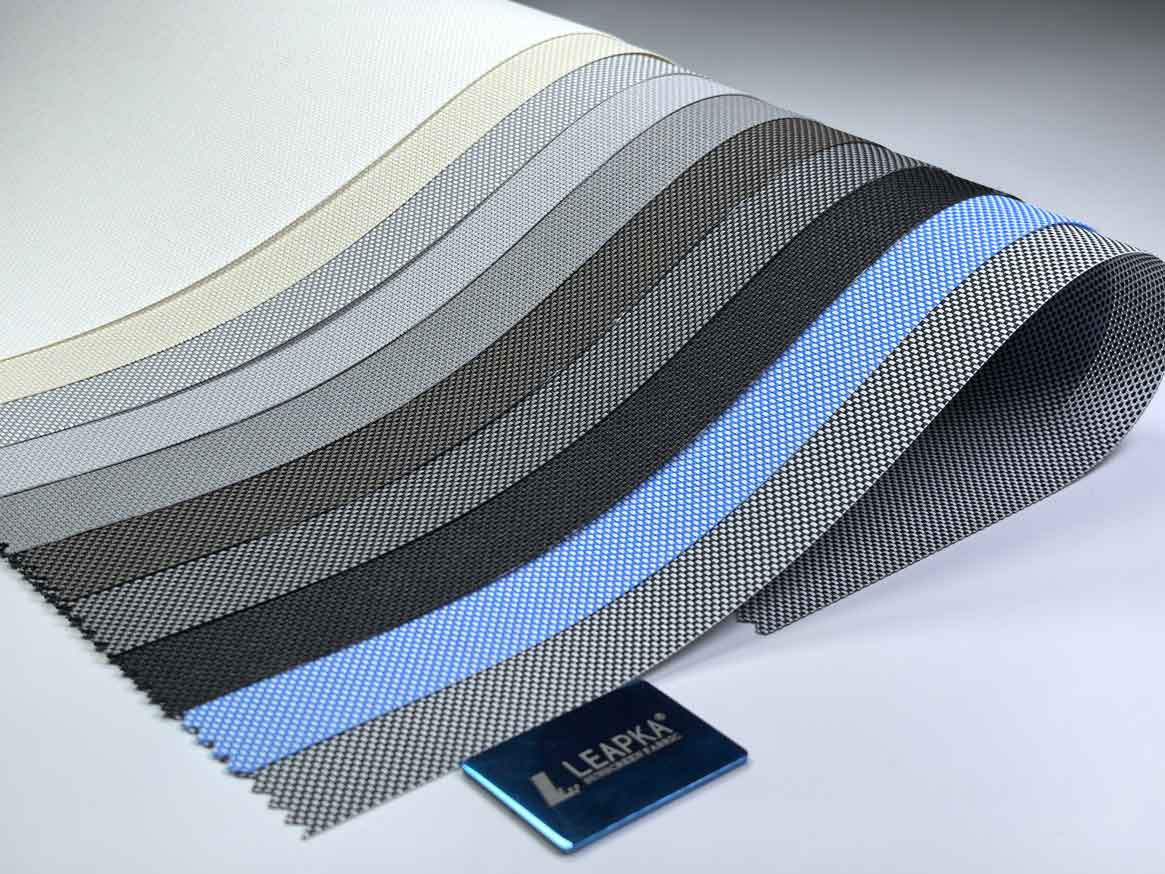
In this environment, a responsible manufacturer's strategy involves continuous refinement of core product reliability, vigilant monitoring of these diverse influencing currents, and strategic investment in developments that offer clear, practical, and demonstrable value to the specifier and end-user. The evolution of high-performance Sunscreen fabrics and Roller blinds Fabrics will be shaped by this pragmatic balance of proven performance, regulatory compliance, and responsive adaptation to the nuanced needs of the global construction industry.
Related recommendations
See more >>


