
Contemplating the Horizon: Uncharted Paths in Solar Textile Development


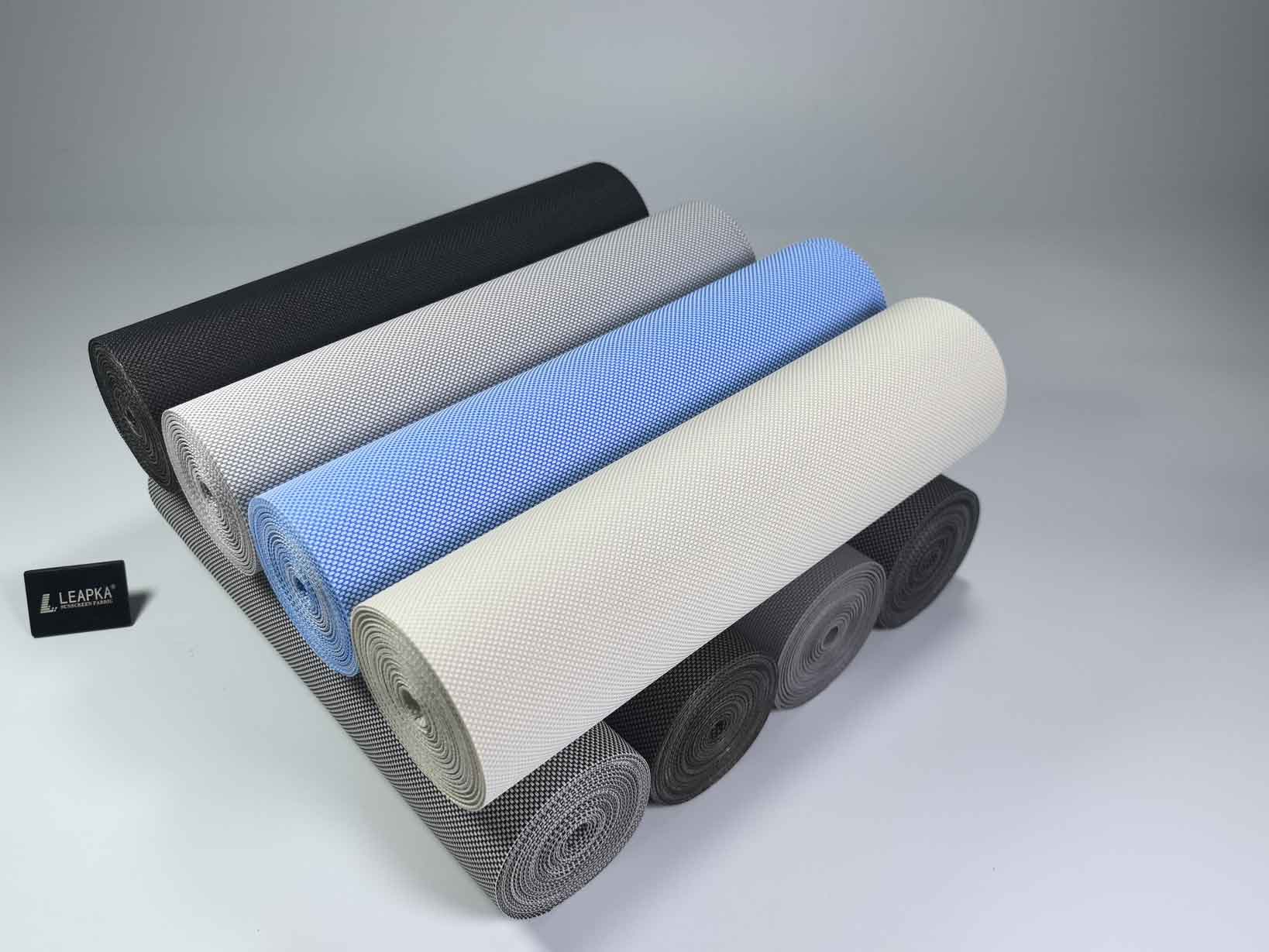
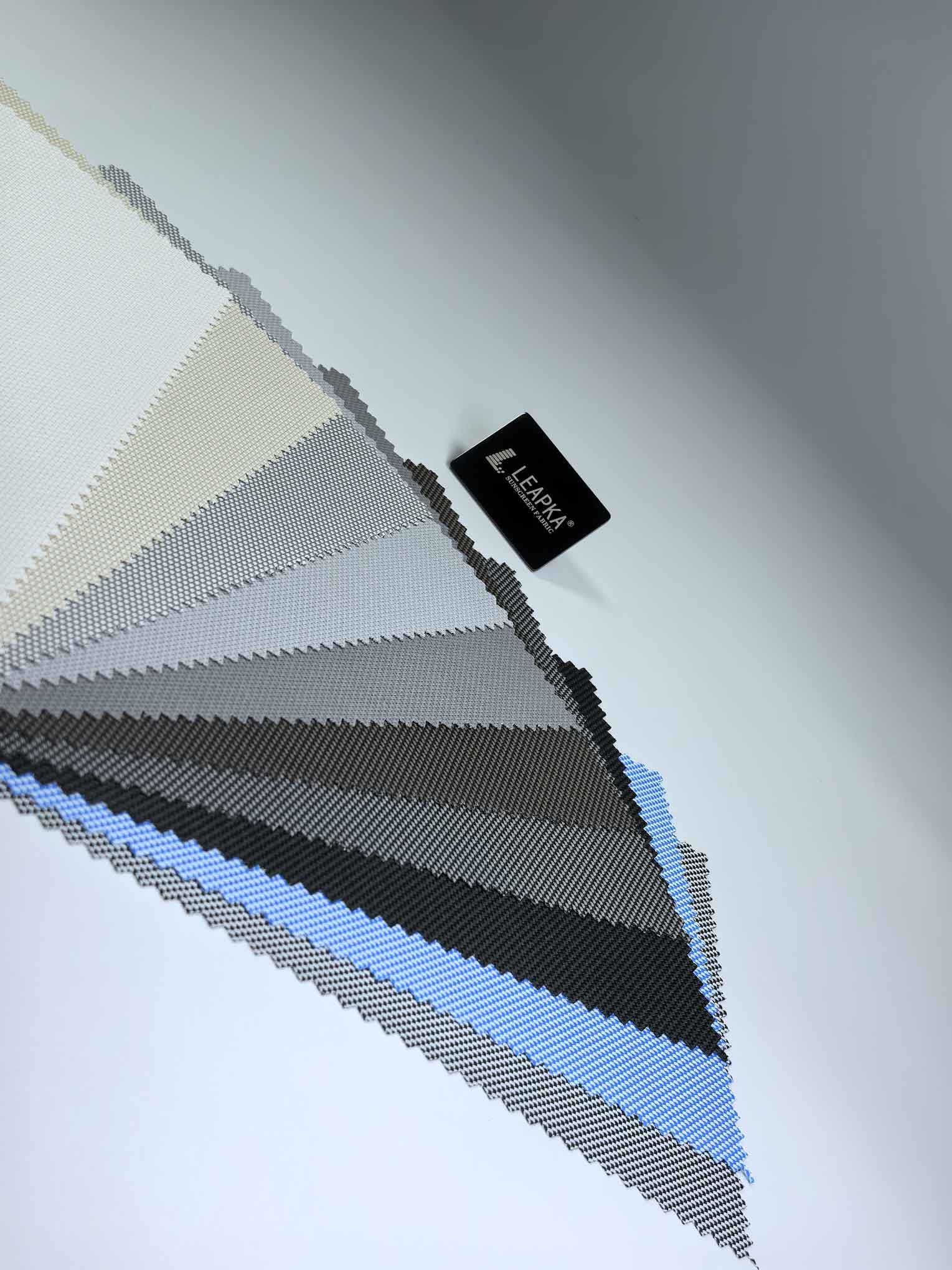
The sector dedicated to architectural sun control exists in a state of measured evolution, responding to a confluence of external pressures rather than following a single, predictable trajectory of innovation. While product families like the L1-500 series effectively address current market needs with proven Sunscreen fabrics technology, the industry's future is shaped by a series of open questions and potential pivots, none of which guarantee a specific outcome.
The Enduring Question of Material Lifecycle
A primary area of industry-wide contemplation revolves around the complete environmental footprint of coated textiles.
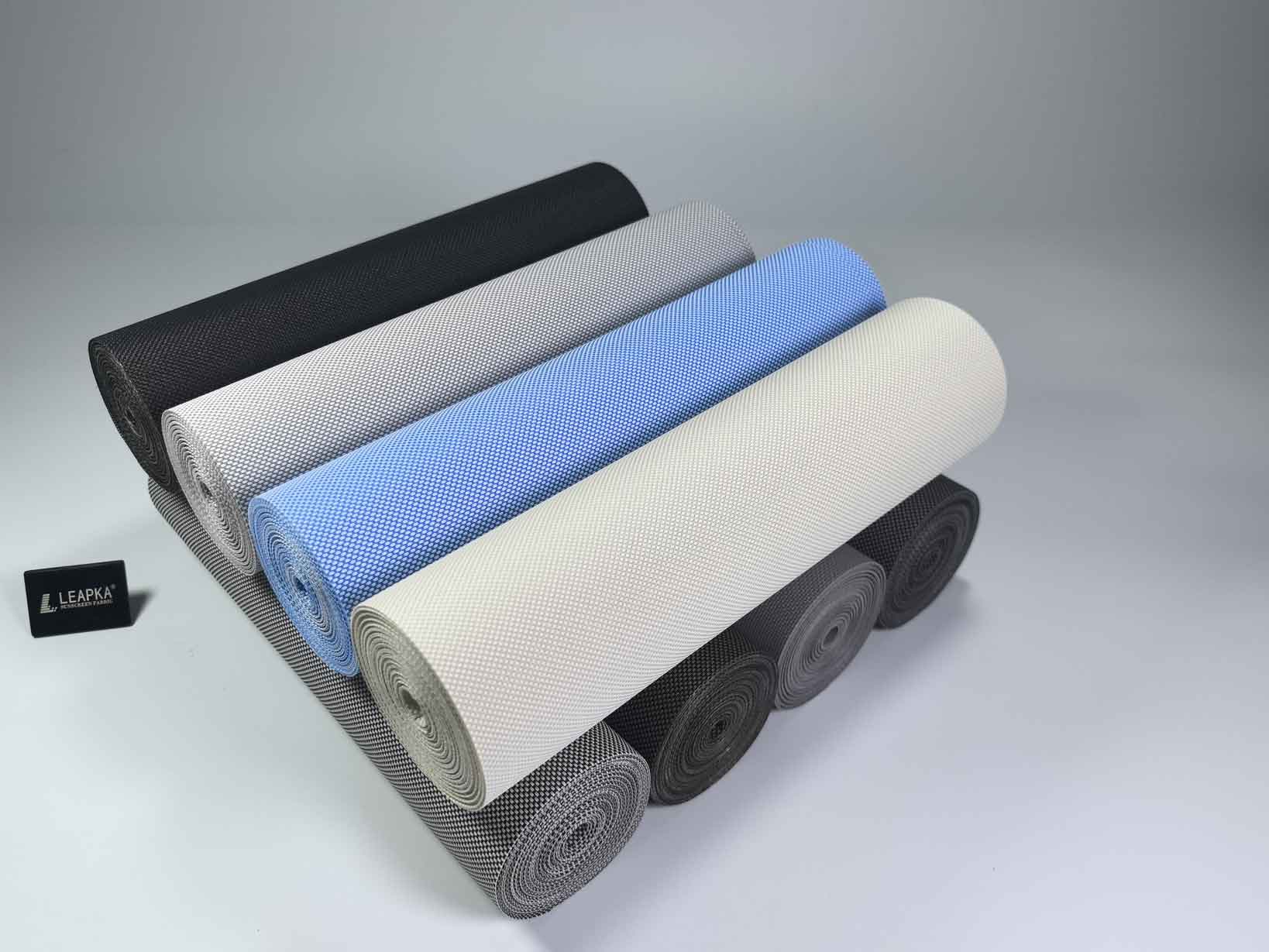
Beyond Current Formulations: While the 30/70 Polyester/PVC mix offers proven performance, its end-of-life pathway presents ongoing questions. The exploration of polymer chemistries that facilitate easier separation and recycling, or the incorporation of significantly higher bio-based content, remains a complex challenge where durability and cost-effectiveness are non-negotiable parameters.
The Data Transparency Imperative: There is a growing discourse, not necessarily about radically new materials, but about quantifiable proof of environmental impact. Future differentiation may hinge on hyper-transparent Life Cycle Assessments (LCAs) and verified data on recycled content, moving claims from marketing to measurable metrics.
The Integration of Performance and Data
The concept of the "smart building" influences expectations, but the implementation path is unclear.
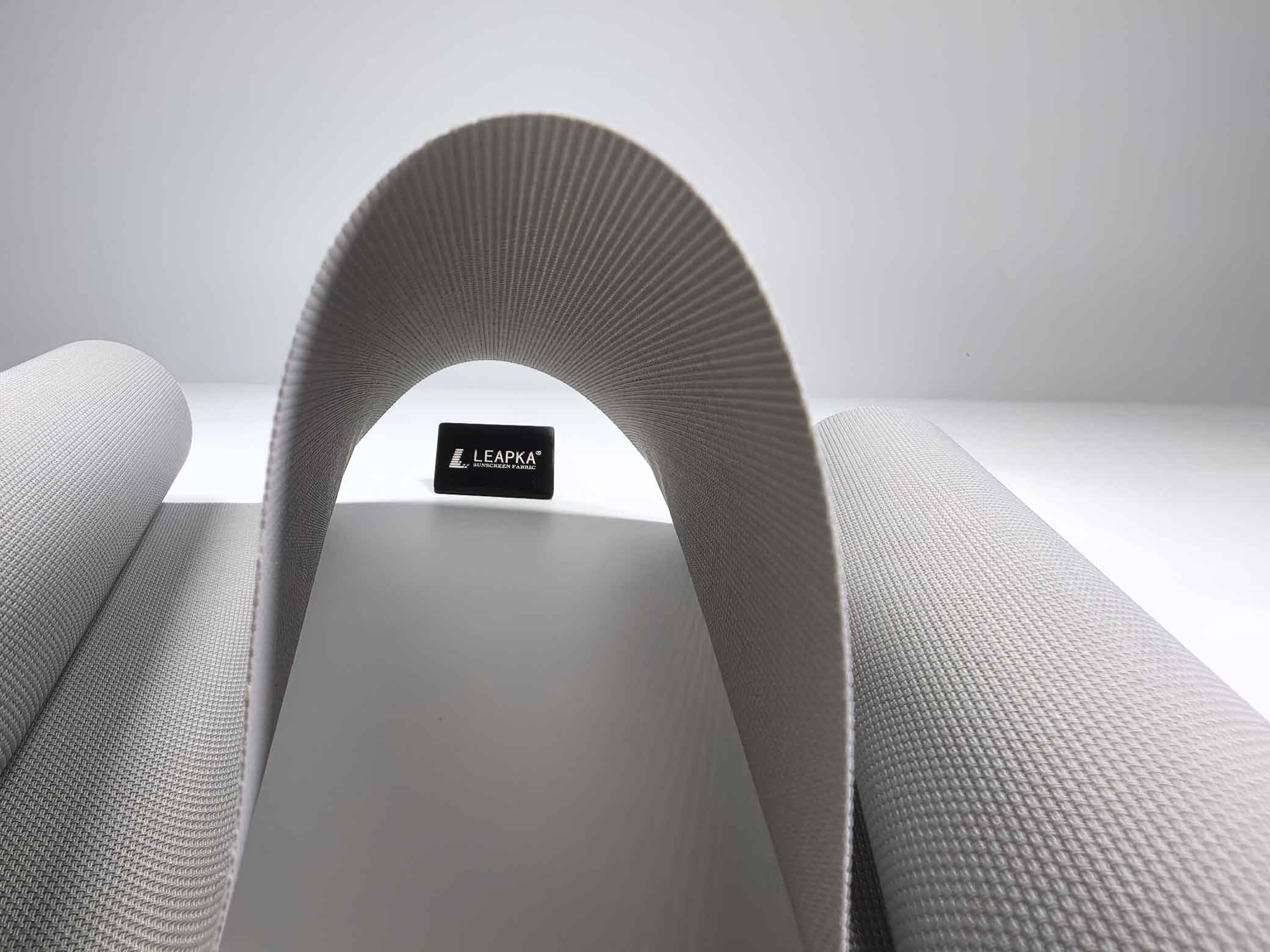
From Passive to Responsive: There is speculative interest in materials that do more than just statically filter light. The concept of fabrics that could adjust their solar gain coefficient or tint in response to external conditions via embedded technologies is often discussed. However, the leap from a durable, passive roll of Roller blinds Fabrics to a reliably functioning, cost-effective "active" system with a 10+ year lifespan is fraught with technical and economic hurdles that keep such ideas largely in the realm of prototyping.
The Building as an Organism: A broader consideration is how shading products contribute data to building management systems. While motorization is standard, the future may see fabrics or their systems providing inputs on solar heat gain, room occupancy, or even air quality, shifting their role from a standalone component to an integrated sensor within the building's nervous system.
Market Forces and the Definition of Value
Ultimately, direction will be steered by evolving definitions of value among specifiers and end-users.
Cost vs. Consciousness: Will the market consistently pay a substantial premium for products with superior environmental credentials or embedded technology, or will initial cost and proven performance remain the dominant drivers?
Regulatory Catalysts: New building codes or material regulations, particularly in Europe and North America, could suddenly make certain material pathways more or less viable, forcing rapid adaptation rather than gradual innovation.
In this landscape, the role of established manufacturers is to continue refining and reliably delivering high-performance products that solve today's problems, like the L1-500 series, while thoughtfully monitoring these multiple vectors of change. The strategy is not to bet on one disruptive innovation, but to maintain the agility to incorporate sustainable, valuable advancements as they prove their real-world merit and commercial viability, ensuring that Sunscreen fabrics continue to meet the practical needs of the built environment.
Related recommendations
See more >>


