
Sunscreen Fabric Blinds: The Intelligent Interface Between Interior and Exterior


Sunscreen fabric blinds have evolved from simple window coverings into a fundamental component of high-performance building envelopes. Products utilizing fabrics like the L1-500 series act as an intelligent, dynamic interface, mediating the relationship between the interior environment and external conditions to enhance comfort, efficiency, and occupant well-being.

Achieving Visual and Thermal Comfort
The core function of these systems is nuanced environmental control. With a 5% openness factor, sunscreen fabric blinds perform a sophisticated balancing act:
Glare Elimination: They diffuse harsh direct sunlight, eliminating glare on screens, worksurfaces, and living areas—a primary factor in visual discomfort and reduced productivity. This allows for the full use of perimeter spaces without the need for constant artificial lighting.
View Preservation: Unlike opaque solutions, they maintain a clear connection to the outdoors. This preserved view is psychologically beneficial, reduces the feeling of confinement, and supports spatial orientation.
Solar Heat Gain Control: By filtering a significant portion of the sun's infrared radiation, these blinds directly reduce the cooling load on a building's HVAC system. This passive solar management translates into measurable energy savings and contributes to greener building certifications.
The Role of Fabric Quality: The L1-500 Series Example
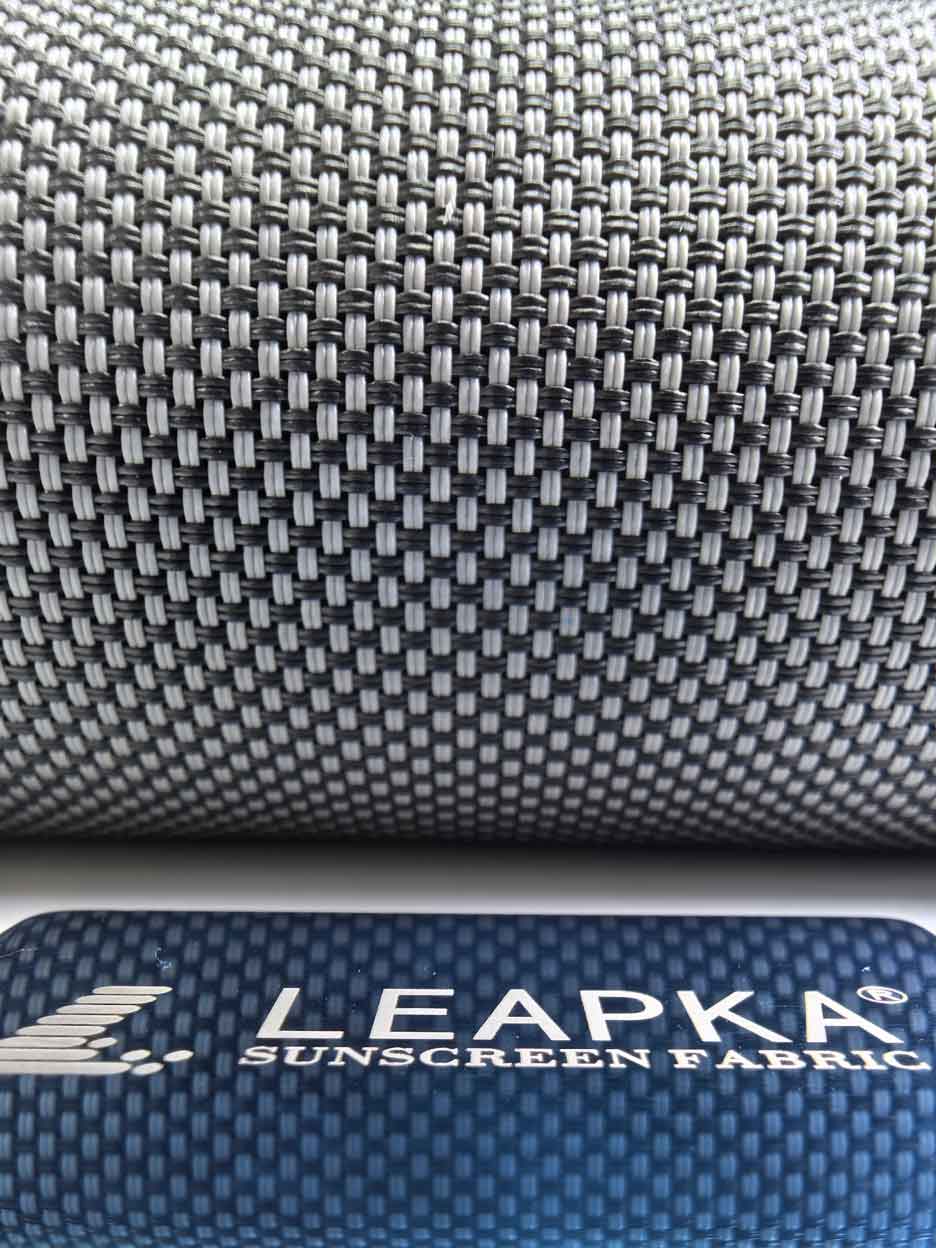
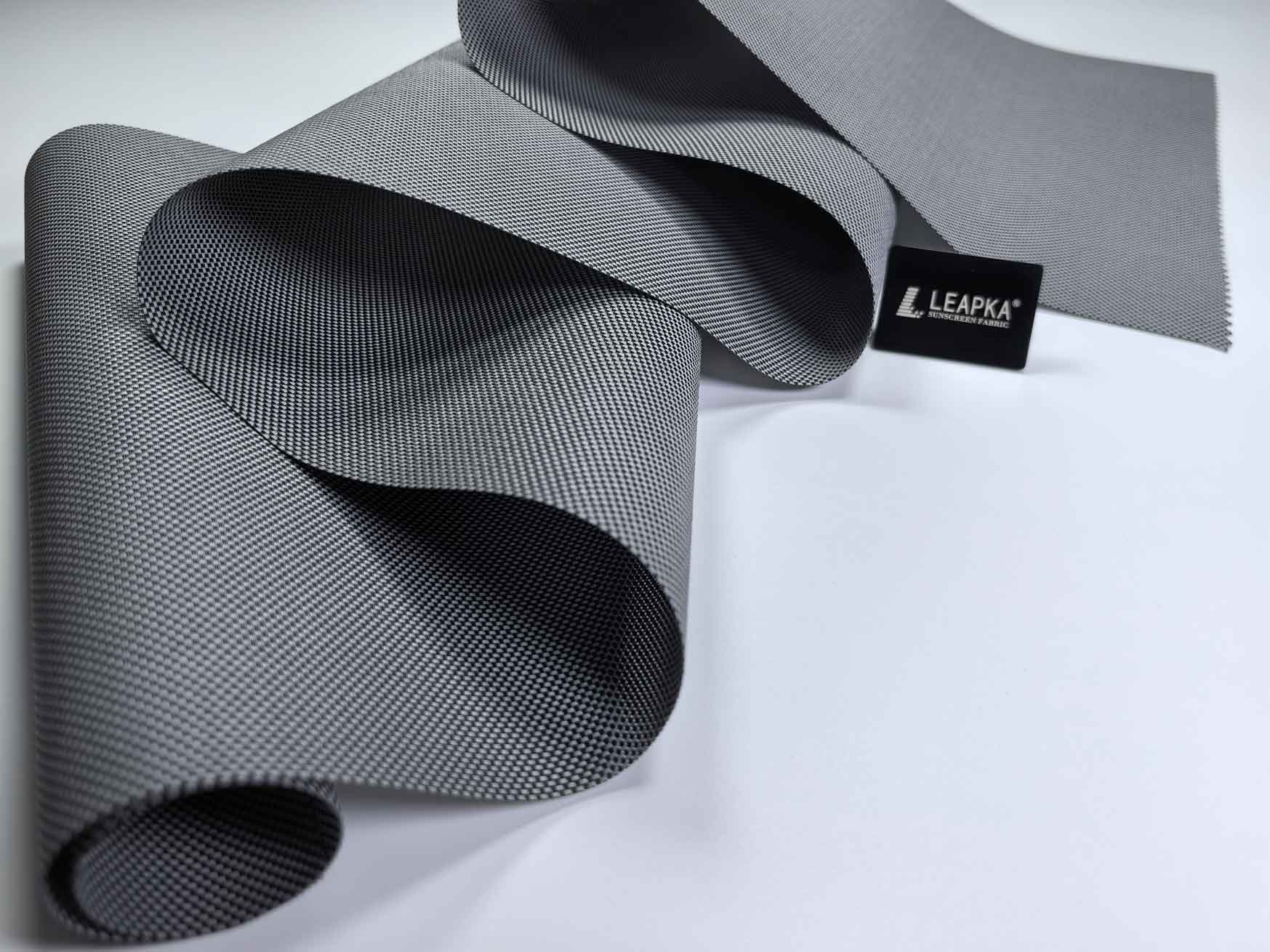
The performance of any blind is entirely dependent on the quality of its Sunscreen fabrics. The L1-500 series exemplifies the necessary characteristics:
Durability and Stability: The 420 g/m² weight and PVC coating ensure the fabric remains dimensionally stable, resistant to sagging, and can withstand repeated operation over years.
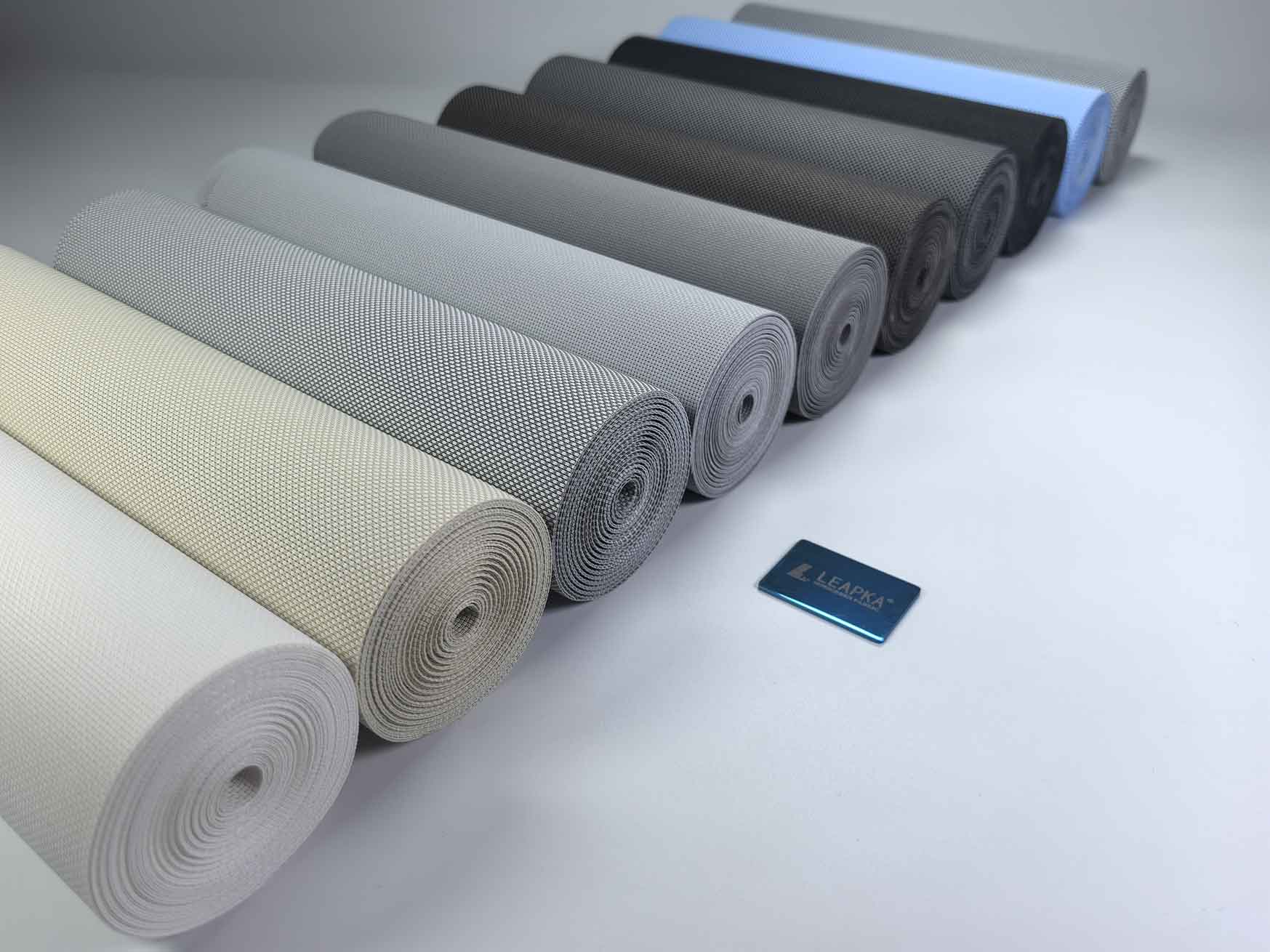
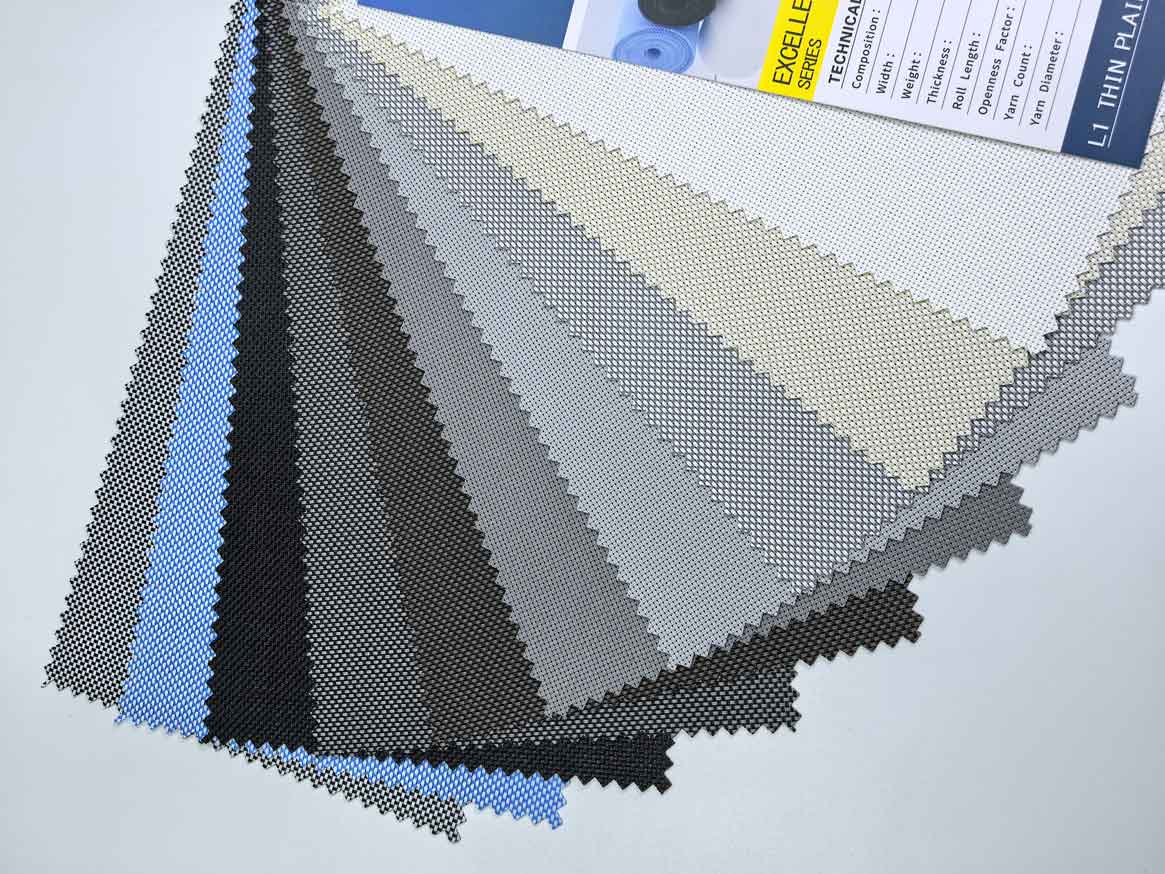
Aesthetic Cohesion: The wide color range allows the blinds to be seamlessly integrated into the interior design scheme, functioning as a wall of fabric when down rather than as a mere utilitarian add-on.
Manufacturing Compatibility: The fabric's consistent properties allow for precise fabrication into reliable, smooth-operating blind systems, whether manual or motorized.
Integration into Modern Building Systems
Today's sunscreen fabric blinds are rarely standalone. They are integral nodes in smart building ecosystems:
Automation: Motorization allows for scheduled operation (e.g., closing at peak solar gain) or integration with light sensors and building management systems (BMS) for fully automated, optimized environmental control.
User Control & Convenience: They can be controlled via wall switches, remotes, or smartphones, offering users effortless adjustment to suit changing needs throughout the day.
In conclusion, modern sunscreen fabric blinds represent a mature technology where high-performance textiles meet intelligent control. By specifying quality Roller blinds Fabrics like the L1-500 series within well-designed systems, professionals provide clients with a sophisticated tool that actively manages light, heat, and views, creating more comfortable, efficient, and human-centric spaces.
Related recommendations
See more >>


