
Navigating the Currents: Reflections on the Solar Textiles Sector


The industry responsible for manufacturing and specifying solar control textiles operates within a matrix of gradual evolution, responding to external stimuli rather than pursuing a linear path of disruptive innovation. While product families like the L1-500 series successfully address contemporary demands for performance and aesthetics, contemplating the sector's future reveals a landscape of interdependent possibilities rather than certainties.
The Expanding Definition of Environmental Stewardship
Sustainability discussions are maturing from a narrow focus on material composition to a broader assessment of total impact.
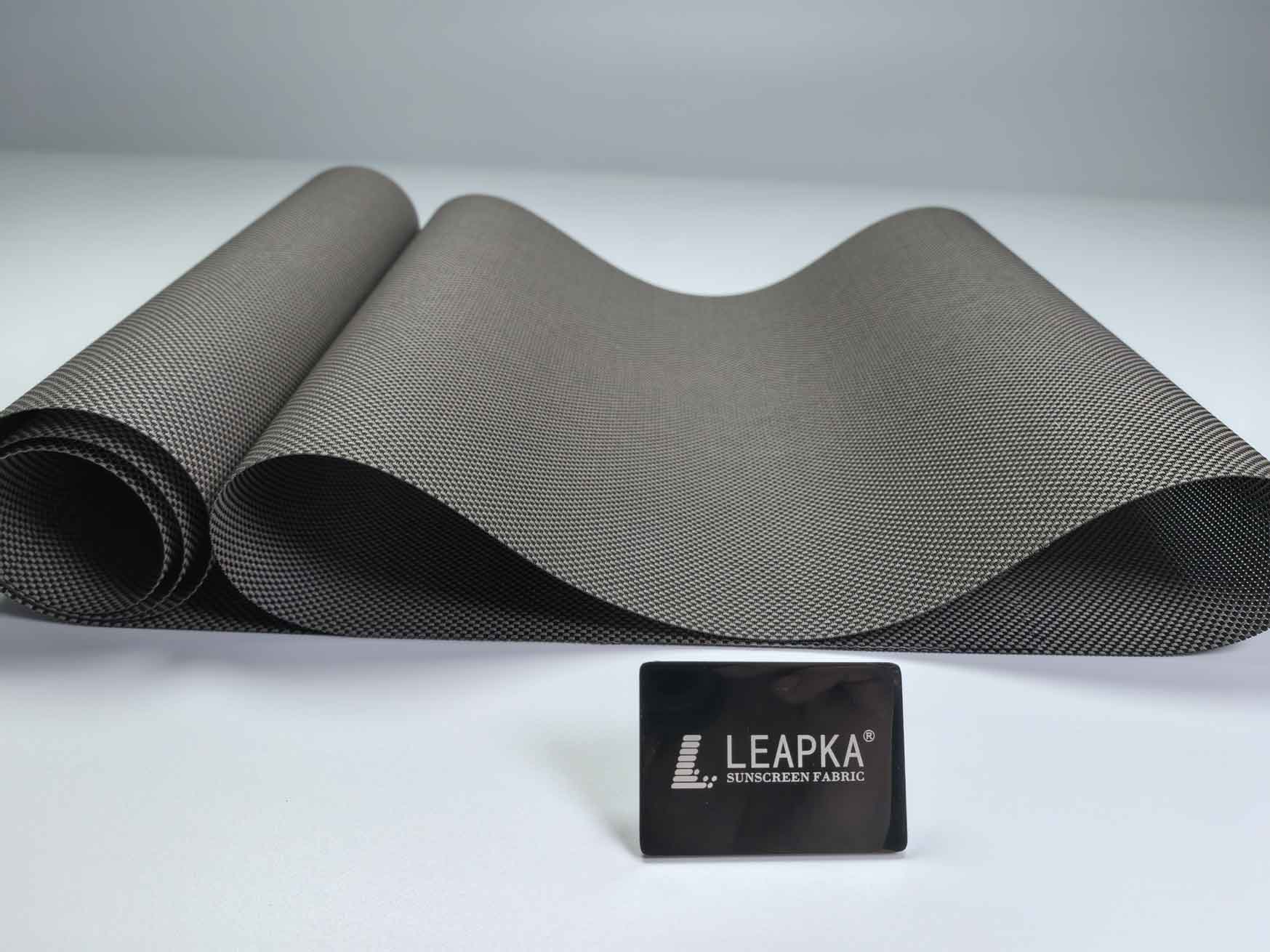
The Longevity Equation: An increasingly considered factor is the service life of a product. A high-performance fabric like those in the L1-500 series, engineered to last 12-15 years with minimal degradation, presents a compelling sustainability argument. Its total environmental footprint—when amortized over its extended lifespan—may compare favorably to alternatives with "greener" credentials but shorter replacement cycles, introducing a complex lifecycle analysis for specifiers.
Beyond Recycling to Circular Systems: While integrating recycled content (e.g., rPET) is a present-step improvement, the industry grapples with the systemic challenge of true circularity for coated composites. Meaningful progress may depend less on a single chemical breakthrough and more on the parallel development of viable collection logistics and industrial-scale separation technologies for end-of-life products, a challenge that extends beyond individual manufacturers.
The Convergence of Physical Product and Digital Management
The integration of shading into building intelligence continues, but its trajectory emphasizes enhancement over transformation.
From Automated to Adaptive: The next phase may see Roller blinds Fabrics becoming more deeply embedded as data sources within Building Management Systems (BMS). Beyond simple scheduled lowering, systems could utilize real-time feedback on solar heat gain or room occupancy to optimize HVAC response dynamically. However, the foundational requirement remains flawless, silent, and reliable mechanical operation—any "smart" feature must be subordinate to this core promise of durability.
The Value-Adoption Threshold: For advanced integration to become mainstream, the cost of embedded sensors and connectivity must decline significantly. More importantly, its value proposition must be irrefutably quantified in terms of energy savings, peak load reduction, or occupant productivity gains to justify the investment to building owners and developers.
Regionalization and Application-Led Development
Future progress may be characterized by specialization and adaptation rather than universal breakthroughs.
Climate-Specific Engineering: Instead of a one-size-fits-all "next generation" fabric, we may see increased development of products optimized for specific environmental stressors—extreme humidity, coastal salt spray, or desert UV intensity—catering to the unique durability demands of different global markets.
The Driver of Customization: Market pull increasingly favors aesthetic personalization. This may drive innovation less in base material science and more in finishing technologies—such as advanced digital printing on performance substrates—that allow the proven functionality of a 5% openness fabric to be delivered in limitless custom patterns and imagery.
In this environment, a manufacturer's pathway involves continuous refinement of core offerings, vigilant monitoring of these diverse currents, and prudent investment in developments that demonstrate clear, practical value without compromising the reliability that defines quality Sunscreen fabrics. The direction is shaped by a confluence of regulation, cost, demonstrable benefit, and the timeless need for buildings to be comfortable and durable shelters.
Related recommendations
See more >>


